
“My child hates reading, so the school library is a waste of time.”
Ask ten parents in Dubai or Sharjah what a school library is for and you will get ten polite variations of the same answer: a quiet room with books, mostly used for silent reading and the odd homework rescue. That picture is not wrong, but it is thin. A working school library is one of the strongest tools a school has for turning small children into lifelong readers, and most of the reasons people give for dismissing it are simply not true. Below are five myths worth taking apart, plus one warning about the mistake that costs schools the most.
Myth 1: Reading Is Something Kids Either Love or Don’t
There is a comforting idea that some children are born readers and others are not, so the school library only matters for the first group. In practice, a love of reading is almost always built, not inherited. The librarian who remembers that a five-year-old is mad about dinosaurs, and who quietly puts a lift-the-flap dinosaur book on the shelf where he can find it, is doing early literacy work. So is the teacher who lets the class choose between three picture books instead of assigning one.
Choice, surprise, and a small feeling of ownership are what turn a reluctant reader into a curious one. That is exactly what a good library provides, week after week, without making a fuss about it.

Myth 2: Digital Devices Have Replaced the Library
Screens are everywhere in the UAE, and it is tempting to assume that a tablet loaded with stories does the same job as a library shelf. It does not. Research summarised by reading comprehension studies keeps pointing to the same finding: young children retain more, and stay focused longer, when they read print books, especially ones they picked up themselves.
The physical library also offers something an app cannot: books with windows to peek through, riddles taped into the back cover, small tasks tucked between chapters that a child brings home and finishes with a parent. That kind of tactile, playful reading is the glue between school and family, and it is very hard to reproduce on a glowing screen.
Myth 3: Library Time Is Separate From Real Lessons
In many schools, library visits are treated as a break: quiet, pleasant, and disconnected from what happens in class. The strongest early-years teachers do the opposite. They pull a book off the library shelf, read it aloud in class, and then hand out a creative task tied to it.
- Draw the scene you would add if the story continued for one more page.
- Rehearse a two-minute play version of the chapter with a partner.
- Answer a short quiz where every question comes from the book itself.
The library stops being a room and starts being a resource. This is a small shift in habit, but it changes how children see books: not as decoration, but as raw material for thinking, drawing, and performing.
Myth 4: Reading Alone Is the Only Real Reading
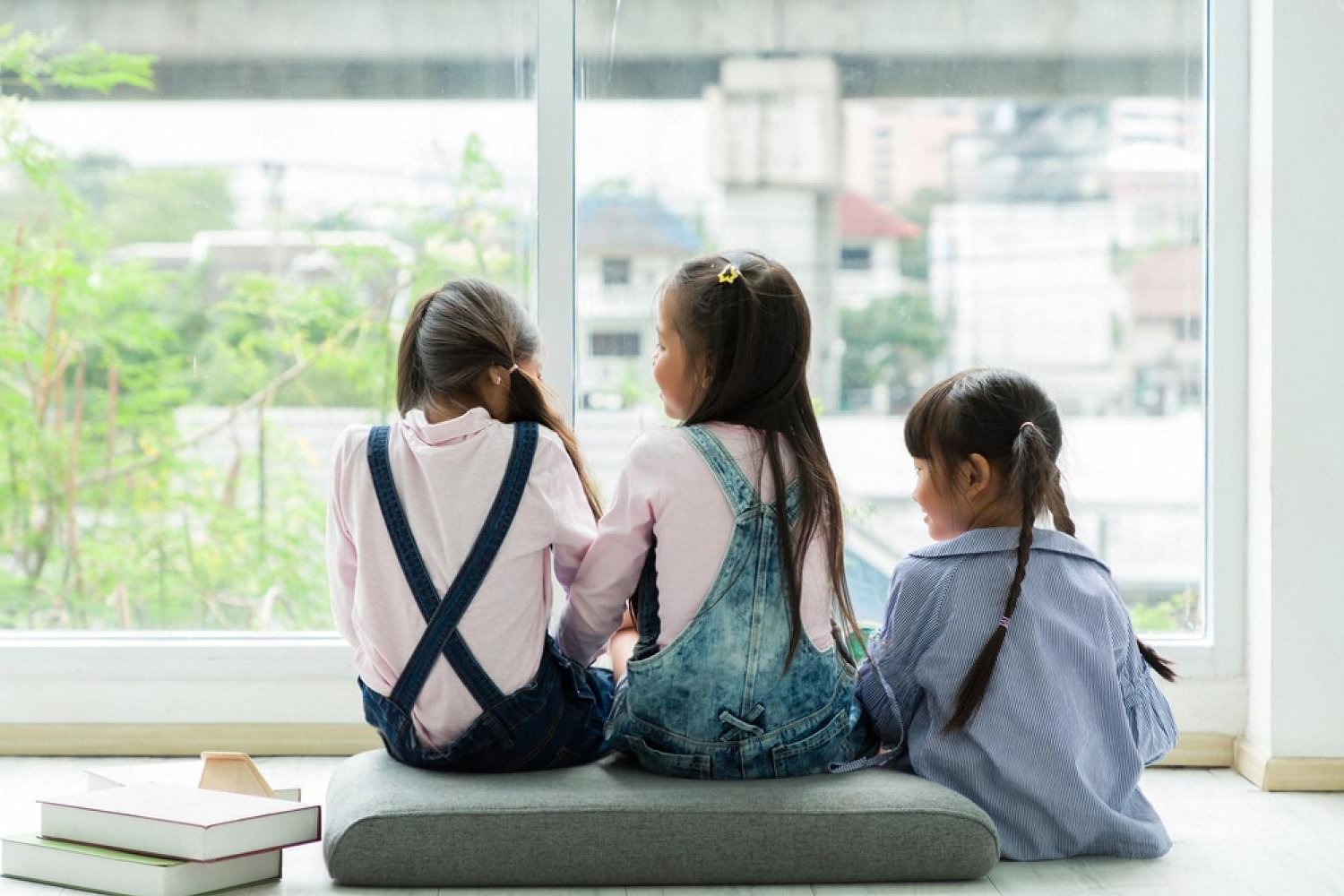
Parents often picture reading as a solitary activity, a child curled up with a book in a quiet corner. That is one version, and it is lovely. It is not the only one. Some of the best early-reading habits form when children read in pairs.
A teacher who pairs two students, hands them a book from the library, and sends them home to read it together as homework is doing something clever. Reading with a friend feels like play. Children negotiate whose turn it is, giggle at the funny bits, and explain hard words to each other, which is itself a form of learning. Well-designed early-years programmes, including the american curriculum approach used by several schools in the Emirates, lean on this social side of reading heavily in kindergarten and Grade 1.
Myth 5: The Librarian Is Just an Administrator
What people assume
The librarian stamps books, keeps the shelves tidy, and reminds children about overdue returns.
What actually happens
A good school librarian knows the reading level of every regular visitor and quietly steers each child toward the next book that will stretch them.
Why it matters
This informal matchmaking, done hundreds of times a year, has more impact on early reading habits than any single classroom lesson.
Underestimate the librarian and you lose the person most likely to notice a child slipping into disinterest before anyone else does.
Reality Check: Practical Ways UAE Schools Build Readers
If the myths above are the wrong picture, here is a more useful one. The schools where reading actually takes root tend to do a handful of small things consistently.
- Interactive books first. For the youngest readers, stock the shelves with lift-the-flap stories, riddle books, and titles that carry small tasks to finish at home with a parent.
- Pair reading as homework. Let two children choose a book together and read it as a duo. It removes the loneliness that puts some kids off books entirely.
- Library books inside lessons. After reading a shared book, ask the class to draw a scene, stage a short skit, or run a mini quiz on it.
- Regular, unhurried visits. A weekly library slot that is protected from being cancelled for anything less than an emergency.
- Parent visibility. Send book choices home in a way parents can see and talk about, not buried in an app notification.
None of this is expensive. The barrier is almost always attention, not budget. A shelf of well-chosen picture books, one thoughtful librarian, and a teaching team that treats the library as part of the lesson plan will beat a glossy digital reading platform almost every time.
By the time a child reaches upper primary, either books feel like friends or they feel like work. The school library, used well from kindergarten onward, is what tips that balance in the right direction.
Frequently asked questions
At what age should a child start using the school library?
As early as kindergarten, and ideally from the first week of school. At this age it is less about reading independently and more about handling books, listening to stories, and choosing something that looks interesting. The habit of picking a book off a shelf is itself worth learning early.
What kinds of books work best for very young readers in the UAE?
Interactive formats travel well: lift-the-flap picture books, stories with riddles or small tasks tucked inside, and titles that mix fairy-tale elements with recognisable everyday settings. Bilingual Arabic and English editions are also useful for many UAE families and help reading feel like part of home life, not only school life.
How can teachers link library books to classroom lessons?
Pick one book from the library, read it aloud, and then set a creative follow-up task. Common options include drawing a scene from the story, preparing a short theatrical performance in pairs, or running a quiz where every question is tied to the book. This turns the library from a separate room into an active teaching tool.
Is pair reading really better than reading alone?
Not better, but different, and often more motivating for reluctant readers. When two children share a book as homework, they negotiate turns, laugh at the funny parts together, and help each other with hard words. It removes the pressure of solitary reading and makes the activity feel more like play, which keeps children coming back to books.
How can parents support what the school library is doing?
Ask your child which book they chose that week and read a few pages together at home. If the book contains tasks, riddles, or windows to peek through, do those with them rather than for them. Even ten minutes a few evenings a week signals that reading is important beyond the classroom.
Do digital reading apps replace the school library?
They complement it but do not replace it. Younger children generally focus longer and remember more when reading physical books, and the tactile side of turning pages and choosing from a shelf is part of how the reading habit forms. Screens are a useful supplement, not a substitute.
What signs suggest a child is genuinely developing a love of reading?
They start asking for specific books rather than accepting whatever is handed to them. They re-read favourites, talk about characters as if they were real, and finish a book without being told to. Those are the early markers that the school library is doing its job.